


Syringe & Measurement Guide
Proper syringe measurement relies on two core factors: reading the liquid level at the correct reference point on the plunger and understanding the relationship between units, barrel volume, and needle gauge.
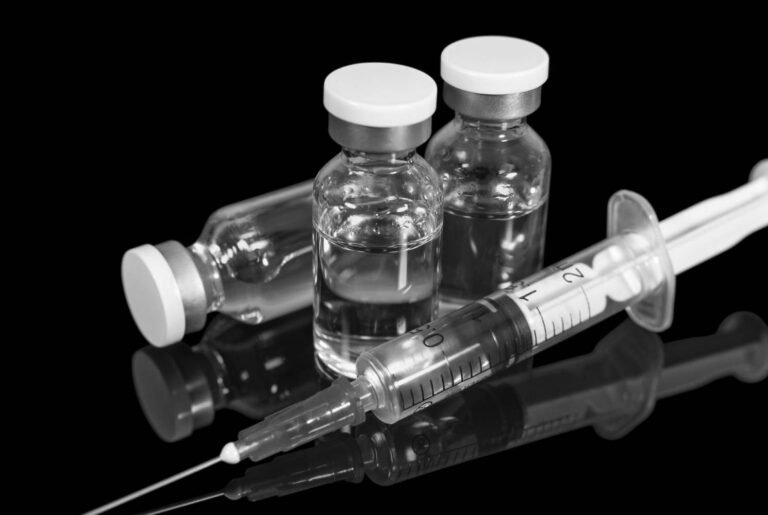
Reading Measurements Accurately
-
The Reference Line: Measure at the top ring of the rubber plunger (the edge closest to the tip/liquid), not the bottom ring or the center dome.
-
Liquid Meniscus: If measuring clear liquids without a rubber stopper, align the dose line with the bottom of the curved liquid surface (meniscus).
-
Air Bubbles: Tap the barrel while holding it upright to force air bubbles to the top, then push the plunger to expel them before verifying the dose line.
Volume Units: mL vs. cc vs. Units
-
1 mL = 1 cc: Milliliters (mL) and cubic centimeters (cc) are identical in volume.
-
Insulin Units (U-100): Insulin syringes measure in standard Units, not mL. Standard U-100 insulin contains 100 units per 1 mL (e.g., 30 units = 0.3 mL).
| Syringe Capacity | Increment Markings | Common Uses |
| 0.3 mL – 0.5 mL | 0.5 to 1 Unit intervals | Small insulin doses, pediatric injections |
| 1 mL (TB / Tuberculin) | 0.01 mL intervals | Precision dosing, intradermal tests, vaccines |
| 3 mL | 0.1 mL intervals | Standard intramuscular (IM) & subcutaneous (SubQ) doses |
| 5 mL – 10 mL | 0.2 mL to 0.5 mL intervals | IV pushes, blood draws, larger IM doses |
| 20 mL – 60 mL | 1 mL to 2 mL intervals | Wound irrigation, feeding tubes, flush lines |
Understanding Needle Gauge vs. Length
-
Gauge (G): Refers to the thickness of the needle opening. Higher numbers indicate thinner needles (e.g., a 30G needle is significantly thinner than an 18G needle).
-
Thin (27G–31G): Subcutaneous injections, insulin, small volume delivery.
-
Medium (22G–25G): Standard intramuscular injections, vaccines.
-
Thick (16G–20G): Blood draws, viscous medication transfers, IV access.
-
-
Length: Measured in inches (typically 5/16″ to 1.5″). Shorter needles target subcutaneous tissue, while longer needles reach deep muscle tissue.