


Peptide Storage and Stability: Preserving Research Peptide Integrity
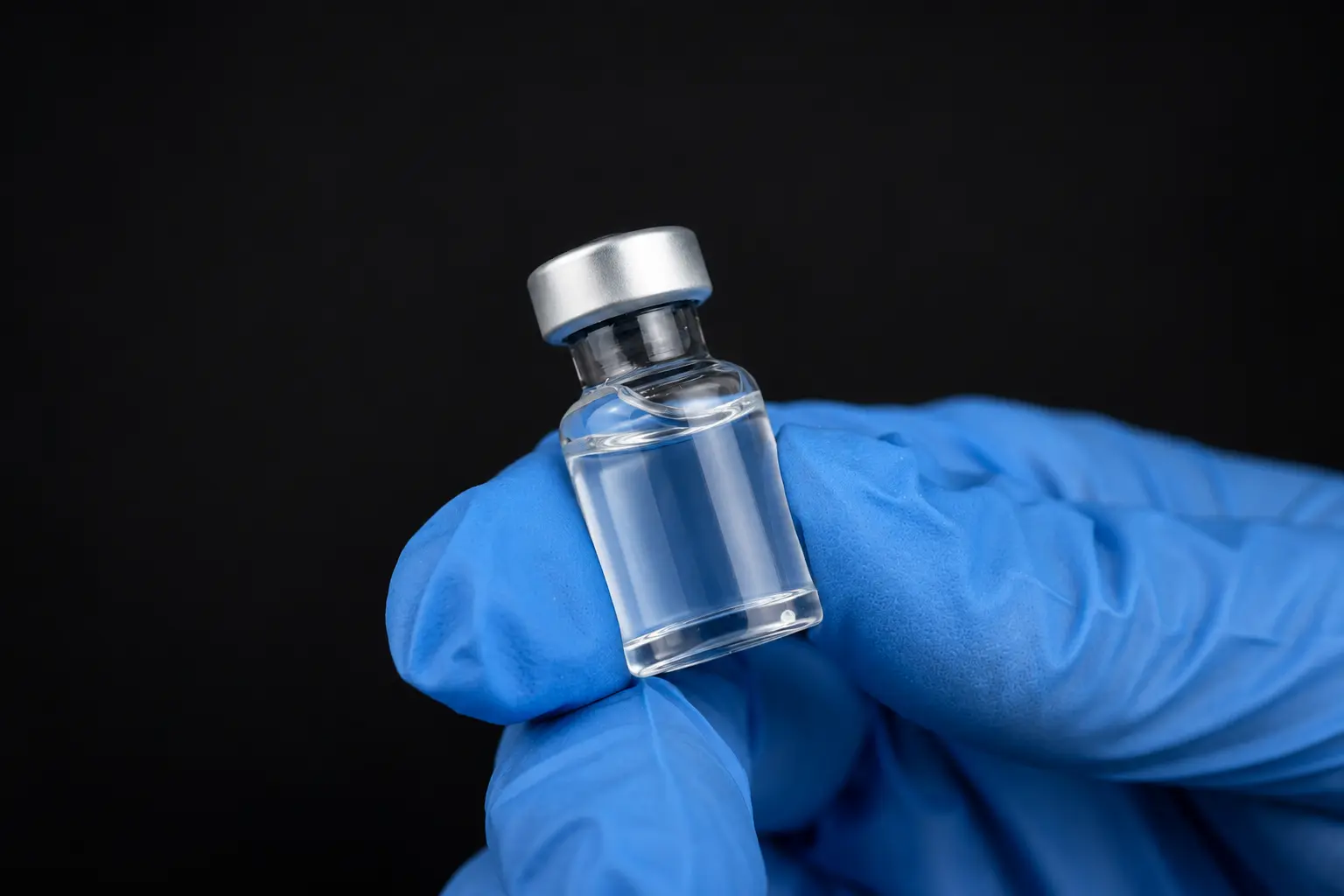
Peptide quality does not end with purity. Storage conditions play an equally important role in maintaining the integrity of the material over time.
A peptide supplied at 99% purity can still degrade quickly when exposed to heat, moisture, light, or repeated handling. The same amino acid structure that defines a peptide also makes it sensitive to its environment.
Proper storage begins with understanding how stability changes between the lyophilised and reconstituted states.
Lyophilised peptides
Research peptides are commonly supplied in lyophilised, or freeze-dried, form. Removing water slows many of the chemical reactions responsible for degradation, giving the material considerably greater stability than it has in solution.
For short-term storage, a sealed lyophilised vial can generally tolerate several weeks at room temperature. This is also why refrigerated transport is typically a precaution rather than a requirement for most lyophilised compounds.
For long-term storage, keep the vial at -20°C, sealed and protected from both light and moisture. Under these conditions, many peptides can remain stable for 24 months or longer.
Moisture is one of the primary risks to dry peptide material. If a vial has been stored frozen, allow it to reach room temperature before opening. Opening a cold vial can introduce condensation, adding moisture directly to the contents.
Reconstituted peptides
Once bacteriostatic water is introduced, the storage requirements change.
The peptide is now in solution, where chemical degradation and microbial contamination become greater concerns. Shelf life is therefore measured in weeks rather than months.
Reconstituted peptides should generally be stored at 2–8°C in a refrigerator. Under appropriate refrigerated conditions, most remain usable for approximately 4–6 weeks.
For storage beyond this period, freezing at -20°C can extend stability. The solution should first be divided into individual aliquots, allowing each portion to be thawed only when required.
Freeze-thaw cycles
Repeated freeze-thaw cycles can compromise a reconstituted peptide.
Each cycle places additional physical stress on the material, and that damage can accumulate over time. A vial that has been frozen, thawed, used, and refrozen repeatedly should not be treated as equivalent to a freshly prepared solution.
If a peptide will be used across multiple sessions, divide the solution into aliquots immediately after reconstitution. Each aliquot can then be thawed once, reducing unnecessary handling of the remaining material.
Light exposure and labelling
Light sensitivity varies between compounds.
Copper complexes such as GHK-Cu are one example of peptides that should be protected from prolonged light exposure. Amber vials or suitable light-blocking storage can provide additional protection.
Labelling is equally important. Every reconstituted vial should clearly record:
- Compound name
- Concentration
- Date of reconstitution
A vial with an unknown concentration or preparation date should not remain in active laboratory inventory.
Storage reference
Lyophilised, sealed
Suitable for short-term storage at room temperature. For long-term storage, maintain at -20°C and protect from light and moisture.
Reconstituted
Store at 2–8°C for approximately 4–6 weeks.
Extended frozen storage
Store at -20°C in individual aliquots when a longer holding period is required.
Handling
Avoid repeated freeze-thaw cycles. Once an aliquot has been thawed, do not refreeze it.